
Review of ‘70 Up’
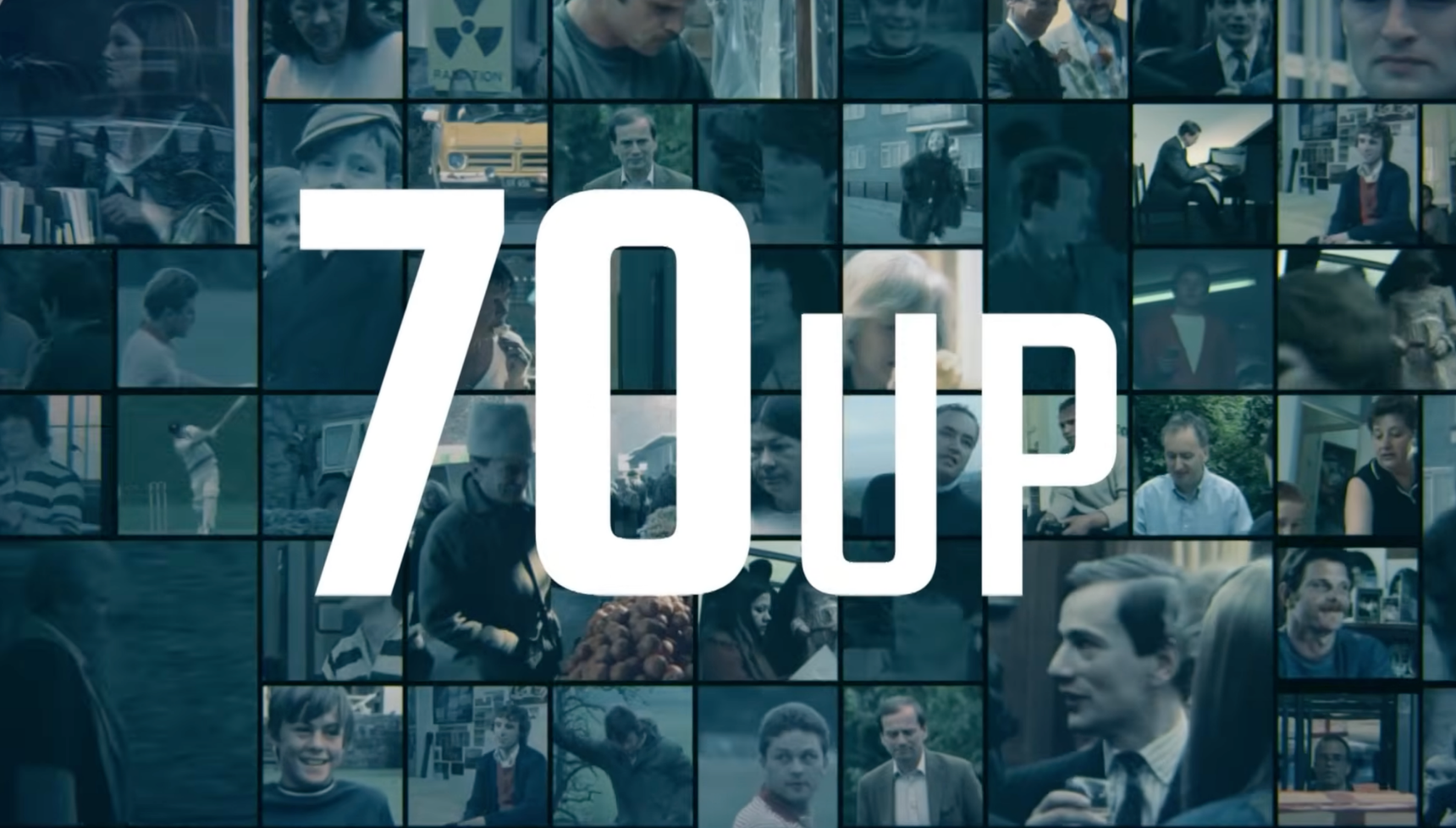
The ‘Up’ TV series was inspired by the Jesuit saying, "Give me a child until he is seven and I will give you the man". A group of 14 children from across the UK were brought together to document their dreams, fears and ambitions. The decision to revisit the group every seven years forged unexpected relationships between participants, the director, and the audience. We see participants bonded by the shared experience and sometimes rejecting their un-chosen family. We see filmmakers and participants navigate conflict and shifting power dynamics. We identify with some participants and are challenged by differences in others. Therapy can often involve working through the discomfort of our ‘messy lives’, and this imperfect social experiment reflects this. “You can be born shy, you can be born as an extrovert…but then life happens, and every experience will change you.” (Lynn Johnson)
Following the initial series, a decision was made to focus on examining the British class system, to see how it might be affected by the “great cultural upheavals” of the 20th century. At 14 years old the children recognised the comparisons being drawn between those from different social statuses. The life circumstances of different social groups appeared to affect the expectations of others and themselves. However, participants often disputed the impact of this, “it hasn’t stopped me doing what I want to be doing. You live the life you’re in – that’s it.” (Tony Walker). It’s a reminder of how difficult it can be to recognise the advantages we have and to feel disadvantaged in some way, and the judgement this can provoke in ourselves and others.
Many of the programmes’ children expressed aspirations to be content, whether this meant avoiding an unremarkable life or desiring an uncomplicated one. Despite some of the participants noting regrets in later life - lack of opportunities, prioritising work over family, letting go of a goal, or participating in the programme - it’s heartening that at 70 years old most seem more settled. One of the compelling aspects of the series is observing how people make meaning of their lives, through parenthood/guardianship, helping others, achievements, and having survived adversity. It can feel uncomfortable to observe people so intimately, particularly when you see their boundaries being pushed. However, we’re reminded that bearing witness to someone’s life (as happens in therapy) can also contribute meaning: “My life has meant something because it’s been seen” (Nick Hitchon)
‘70 Up’ draws a conclusion to the series, despite ongoing interest from the creative team and the audience. Therapy recognises the importance of endings as an opportunity to say goodbye in some way, to find closure on an experience, or to face a fear of endings. It’s also a time to celebrate growth, take stock of lessons learned, and begin something new. Although Lynne, Nick and director Michael Apted had died before the final instalment was completed, they were present in the reflections of others and archive footage. Over time it was recognised that the series had evolved into a documentary about the nature of human experience. We are reminded we will all experience ill health, instability, and loss, but we also gifted the opportunity to see the group respond with courage, thoughtfulness, and hope.

Further viewing
’70 Up’ and the full ‘Up’ series archive is an ITV production available to view on the ITV Player. This Guardian article responds by inviting 7 people to consider what the series has meant to them.
